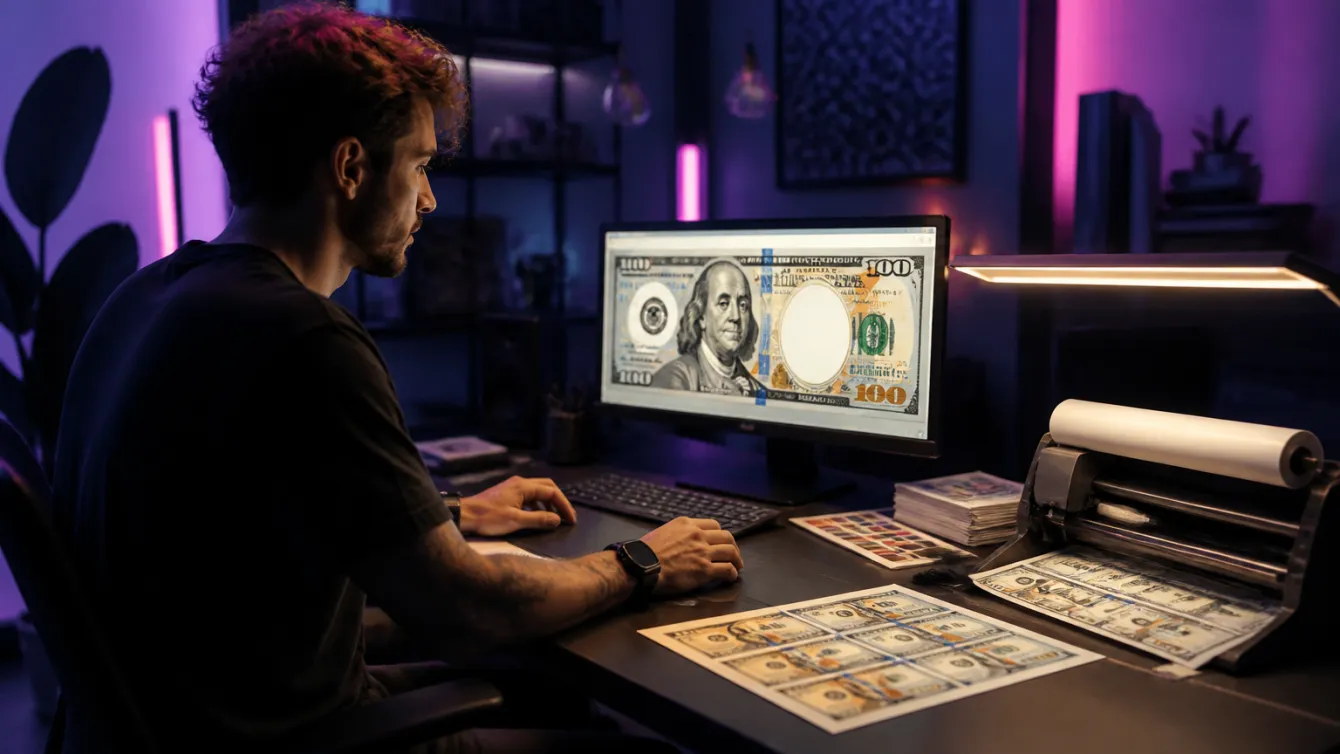
Examining counterfeit goods is crucial for consumer safety.
Counterfeiting involves the illegal reproduction of items like currency, DVDs, or official documents, presented as genuine without authorization. In 2021, global trade in counterfeit goods reached approximately USD 467 billion, representing 2.3% of total global imports. Key concerns include:
Health risks from counterfeit pharmaceuticals
Safety hazards from fake automotive parts
Environmental dangers from counterfeit food products
Counterfeit Goods Overview and Consumer Checklist
| Aspect | Details | Risks | Consumer Checklist |
|---|---|---|---|
| Definition | Illegal copies of items | Health, safety, environmental | Check for official seals |
| Global Value | USD 467 billion in 2021 | N/A | Research brand reputation |
| EU Imports | USD 117 billion, 4.7% of total | N/A | Verify seller credentials |
| Health Risks | Counterfeit drugs cause mortality | 72,000-169,000 child deaths annually | Consult healthcare professionals |
| Legal Penalties | Fines up to $30 million | Life imprisonment possible | Report suspicious products |
| Key Concerns | Pharmaceuticals, automotive parts | High safety risks | Inspect product packaging |
What is Counterfeiting?
Counterfeiting is the act of creating unauthorized copies of items and presenting them as authentic. This illegal practice encompasses a wide range of products, including counterfeit money, clothing, electronics, pharmaceuticals, and official documents12. In 2021, the global trade in counterfeit goods was estimated at USD 467 billion, which accounted for 2.3% of total global imports3. The European Union alone saw approximately USD 117 billion in counterfeit imports, representing 4.7% of total EU imports3.
The legal implications of counterfeiting are severe. In the United States, it is classified as a federal offense, with penalties that can include fines up to $30 million and even life imprisonment2. Various international laws and regulations aim to protect intellectual property rights and combat trademark infringement. Engaging in counterfeiting not only results in legal consequences but also undermines consumer safety and trust.
Counterfeit items can pose significant health and safety risks. For example, counterfeit pharmaceuticals have been linked to serious health issues, including increased mortality rates; the World Health Organization estimates that between 72,000 and 169,000 children die each year from pneumonia due to counterfeit drugs4. Additionally, counterfeit automotive parts have raised concerns due to safety vulnerabilities5. These examples illustrate the potential dangers associated with counterfeit goods, highlighting the importance of vigilance in consumer purchasing decisions.
To protect against counterfeiting, consumers should be aware of the signs of counterfeit products, verify seller credentials, and consult healthcare professionals regarding medications. Understanding these aspects can help mitigate risks and promote safer purchasing practices.
Types of Counterfeit Goods
Counterfeit goods encompass a wide range of products, including counterfeit money, documents, luxury items, and pharmaceuticals. Each type presents unique risks and challenges for consumers and the economy.
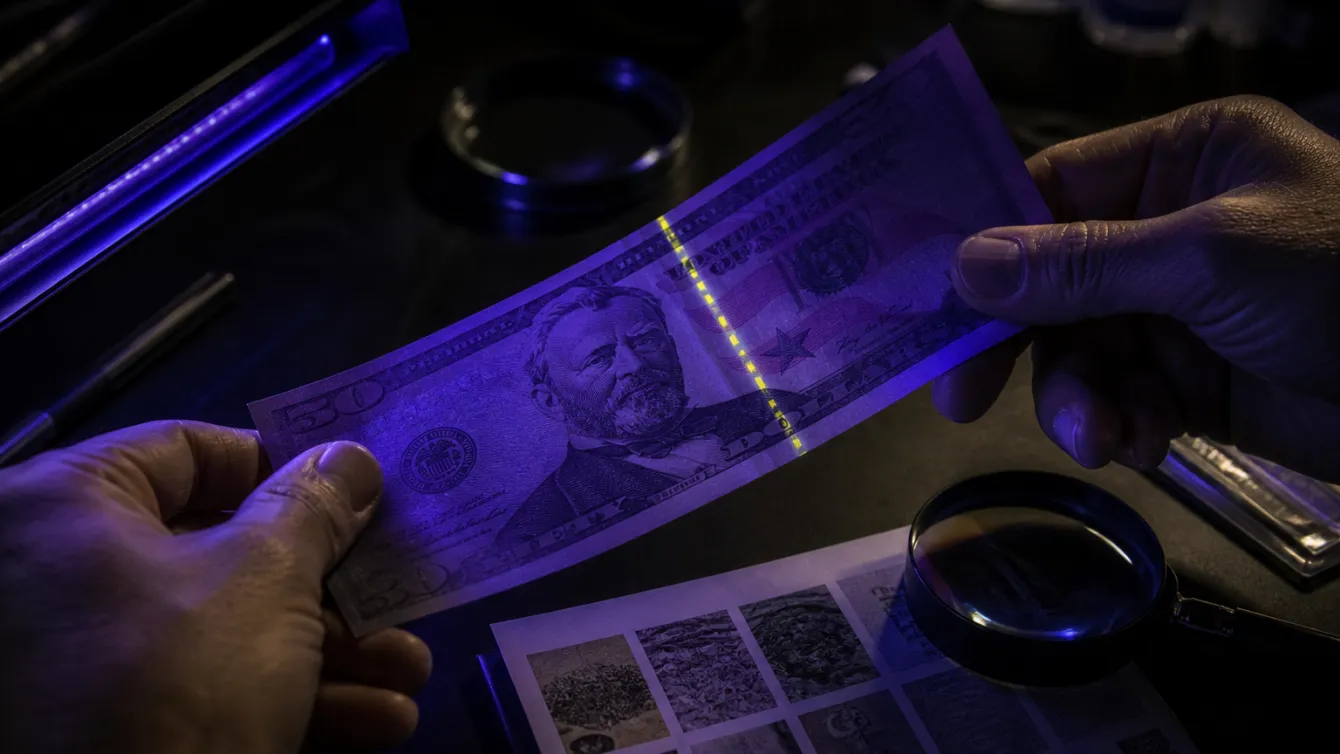
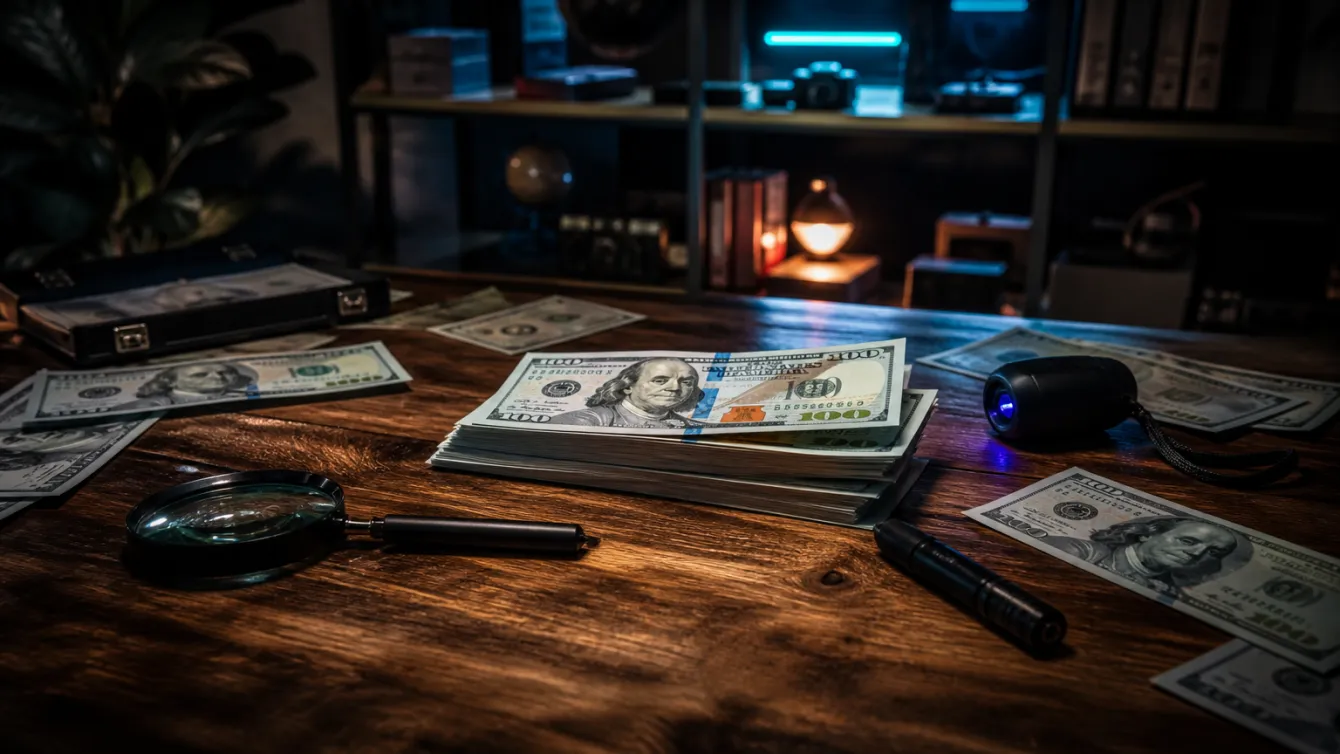
Counterfeit money is one of the most recognized forms of counterfeiting. In the United States, counterfeit currency can lead to significant financial losses. It is crucial for consumers to be able to identify fake bills. For example, the U.S. Treasury provides guidelines on how to spot counterfeit bills, emphasizing the importance of checking for security features such as watermarks and security threads12.
Counterfeit documents, including identification cards and official certificates, can facilitate fraud and identity theft. These forgeries can undermine trust in legitimate institutions and create legal complications for individuals who inadvertently accept them. Awareness of the characteristics of authentic documents is essential for preventing fraud.
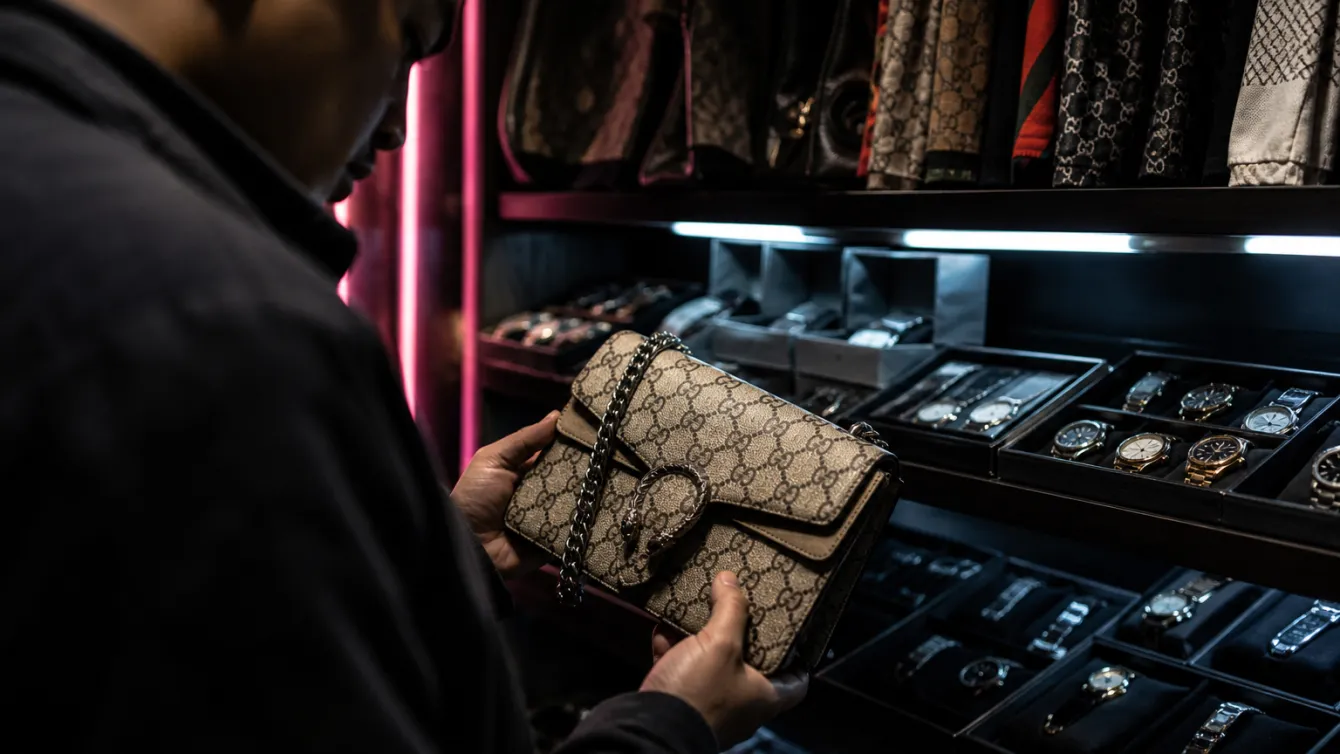
Luxury goods, such as designer handbags and watches, are frequently counterfeited. The global market for counterfeit luxury items was valued at over USD 30 billion in 2021, reflecting a substantial portion of total counterfeit trade3. These goods not only infringe on intellectual property rights but also pose risks to consumers who may unknowingly purchase inferior quality products.
Counterfeit pharmaceuticals present severe health risks. The World Health Organization has reported that counterfeit drugs can lead to untreated diseases and increased mortality, with estimates indicating that between 72,000 and 169,000 children die each year from pneumonia due to counterfeit medications4. The prevalence of counterfeit pharmaceuticals is alarming, particularly in regions with less stringent regulatory oversight. In 2021, counterfeit drugs accounted for an estimated USD 4.4 billion in global sales, highlighting the need for consumer awareness and vigilance46.
Overall, the trade in counterfeit goods poses significant risks to consumer safety and the economy. Understanding the various types of counterfeit products and their implications is crucial for making informed purchasing decisions. Consumers should remain vigilant, verify product authenticity, and report any suspicious items to appropriate authorities.
The Economic Impact of Counterfeiting
Counterfeiting significantly affects businesses and economies worldwide. In 2021, the global trade in counterfeit goods was valued at approximately USD 467 billion, accounting for 2.3% of total global imports3. This illicit market not only undermines intellectual property rights but also leads to substantial financial losses across various industries. For example, counterfeit goods were responsible for an estimated USD 117 billion in imports into the European Union, representing 4.7% of total EU imports3. The ramifications extend beyond mere financial loss, impacting brand reputation and consumer trust.
Industries such as pharmaceuticals and automotive are particularly vulnerable to the consequences of counterfeiting. Counterfeit pharmaceuticals pose severe health risks, with the World Health Organization estimating that between 72,000 and 169,000 children die annually from pneumonia due to counterfeit drugs4. The economic costs associated with healthcare and lost productivity due to these health risks are significant. Furthermore, counterfeit automotive parts have raised serious safety concerns, leading to potential accidents and increased liability for manufacturers5.
The effects of counterfeiting are not limited to direct economic losses. Businesses face increased costs related to anti-counterfeiting measures, such as implementing advanced technologies like RFID and blockchain to protect their products6. This investment is crucial for brand protection but diverts resources from other essential business functions.
To combat the economic impact of counterfeiting, companies must prioritize brand protection strategies. This includes educating consumers about the risks associated with counterfeit goods and encouraging them to verify the authenticity of products before purchase. Implementing robust anti-counterfeiting measures can mitigate risks and enhance consumer safety, ultimately benefiting the overall economy.
Health and Safety Risks of Counterfeit Products
Counterfeit products, particularly in the pharmaceutical and consumer goods sectors, pose significant health and safety risks. Counterfeit pharmaceuticals are especially dangerous, as they can lead to untreated diseases and increased mortality rates. The World Health Organization estimates that between 72,000 and 169,000 children die each year from pneumonia due to counterfeit medications4. This alarming statistic highlights the critical need for vigilance in purchasing pharmaceuticals, especially in regions with less stringent regulatory oversight.
Counterfeit consumer goods, including food products and electronics, also present serious risks. For instance, counterfeit food can contain harmful ingredients, resulting in food poisoning or long-term health issues. Similarly, counterfeit electronics may not meet safety standards, leading to hazards such as electrical fires or malfunctions6. The dangers are compounded by the fact that counterfeit goods often lack the quality controls that legitimate products undergo.
Real-life case studies emphasize these risks. In 2020-2021, counterfeit automotive parts were identified as a significant concern due to their potential to cause accidents and injuries5. These parts can fail under normal operating conditions, putting drivers and passengers at risk. Furthermore, counterfeit cosmetics have been linked to skin irritations and allergic reactions, as they may contain toxic substances not approved for use4.
Consumers can take proactive steps to mitigate these risks. It is essential to verify the authenticity of products before purchase, especially when dealing with pharmaceuticals and high-stakes consumer goods. Checking for official seals, researching brand reputation, and consulting healthcare professionals regarding medications can help ensure safety. By staying informed and cautious, consumers can protect themselves from the dangers associated with counterfeit goods.
How to Identify Counterfeit Items
Identifying counterfeit items requires vigilance and knowledge of common signs that can indicate a product is fake. Here are some key indicators to look for:
Packaging Quality: Genuine products often have high-quality packaging. Look for inconsistencies in printing, spelling errors, or low-quality materials. For example, counterfeit luxury goods may use inferior materials that do not match the authentic product.
Price Discrepancies: If a deal seems too good to be true, it likely is. Counterfeit items are often sold at significantly lower prices than their authentic counterparts. For instance, if a designer handbag is sold for a fraction of its retail price, it raises a red flag.
Labels and Certifications: Check for official seals, holograms, or certification labels. Many brands use unique identifiers to prove authenticity. For example, RFID technology is increasingly used in luxury items to prevent counterfeiting.
Seller Credibility: Research the seller's reputation. Verify their credentials and read reviews from previous customers. If purchasing online, ensure the website has secure payment options and check for contact information.
Product Details: Authentic products usually have specific details that counterfeiters may overlook. This includes serial numbers, logos, and other identifying marks. Cross-reference these details with the brand's official website or customer service.
To further verify authenticity, consumers can take the following steps:
Consult Brand Resources: Many brands offer guides on how to spot counterfeit products. Utilize these resources to educate yourself about the signs of authenticity.
Seek Professional Opinions: For high-value items, consider seeking expert authentication services. Professionals can provide a thorough assessment to confirm whether a product is genuine.
Report Suspected Counterfeits: If you suspect a product is counterfeit, report it to the appropriate authorities. This can help protect other consumers and combat the spread of counterfeit goods.
Being proactive and informed can significantly reduce the risk of purchasing counterfeit items. Understanding the signs and taking appropriate verification steps is essential for consumer safety and protection against fraud.
Legal Consequences of Counterfeiting
Counterfeiting is a serious offense governed by a range of laws designed to protect intellectual property and consumer safety. In the United States, counterfeiting is classified as a federal crime under the Lanham Act, which addresses trademark infringement, and various other statutes that cover the production of counterfeit money, goods, and services. Penalties for those convicted of counterfeiting can be severe, including fines that can reach up to $30 million and potential life imprisonment, depending on the scale and nature of the crime2.
The global impact of counterfeiting is profound, with an estimated $467 billion in counterfeit goods traded worldwide in 2021, representing about 2.3% of total global imports3. This illegal trade not only harms economies but also poses significant risks to consumer health and safety, particularly with counterfeit pharmaceuticals, which can lead to untreated diseases and even fatalities4.
Notable legal cases highlight the serious repercussions of counterfeiting. For instance, in 2015, a prominent case in the United States involved a counterfeit drug manufacturer that produced fake cancer medications. This case resulted in multiple arrests and showcased the dangers posed by counterfeit pharmaceuticals, with estimates suggesting that counterfeit drugs can lead to the deaths of tens of thousands of children annually due to untreated illnesses4.
In addition to criminal penalties, civil lawsuits can be initiated by affected parties, such as brands and consumers, seeking damages for trademark infringement and other losses resulting from counterfeit activities. The legal framework for combating counterfeiting also includes international treaties and agreements, such as the Agreement on Trade-Related Aspects of Intellectual Property Rights (TRIPS), which establishes minimum standards for intellectual property protection among member countries.
To effectively combat counterfeiting, businesses are encouraged to adopt anti-counterfeiting measures, including the use of advanced technologies like holograms and RFID to verify product authenticity. These measures not only protect brand integrity but also enhance consumer trust and safety in the marketplace.
Anti-Counterfeiting Technologies
Various technologies have been developed to combat counterfeiting effectively, including holograms, RFID technology, and blockchain. Each of these methods offers unique advantages in verifying product authenticity and protecting intellectual property.
Holograms are commonly used as a security feature on products and documents. They are difficult to replicate due to their complex design and the advanced technology required for production. Holograms can display varying images or colors when viewed from different angles, making them a reliable method for identifying genuine products. For example, many luxury brands utilize holographic labels on their items to deter counterfeiters and provide consumers with a visual assurance of authenticity.
RFID technology involves embedding a radio frequency identification chip within a product. This chip can store information about the product and is readable by specific scanners. RFID tags are increasingly used in industries such as pharmaceuticals and retail, where tracking and verifying the authenticity of products is crucial. The global RFID market is projected to reach USD 40 billion by 2027, reflecting the growing importance of this technology in anti-counterfeiting efforts6. RFID systems can also streamline supply chain management, allowing manufacturers and retailers to monitor inventory more effectively.
Blockchain technology offers a decentralized and tamper-proof method for recording product transactions. By creating an immutable ledger, blockchain allows all parties involved in the supply chain to verify the authenticity and origin of goods. For instance, companies like De Beers use blockchain to track diamonds from mine to market, ensuring that consumers receive genuine products without the risk of conflict sourcing. The effectiveness of blockchain in combating counterfeiting is underscored by its potential to enhance transparency and traceability within various industries.
While these technologies provide substantial benefits, their effectiveness can vary based on implementation and industry context. For example, holograms and RFID tags can be bypassed by sophisticated counterfeiters if not properly integrated into a comprehensive anti-counterfeiting strategy. Therefore, businesses must adopt a multi-faceted approach that combines various technologies with consumer education and vigilance to combat counterfeiting effectively.
The Role of E-Commerce in Counterfeiting
E-commerce has significantly changed the landscape of counterfeiting, enabling the rapid proliferation of counterfeit goods through online marketplaces. These platforms often lack the stringent oversight necessary to verify the authenticity of products being sold, making it easier for counterfeiters to reach consumers. In 2021, the global trade in counterfeit goods was valued at approximately USD 467 billion, with e-commerce contributing substantially to this figure3. The ease of access and anonymity provided by online shopping has made it a preferred channel for counterfeit transactions.
Online marketplaces, such as eBay and Amazon, often struggle to regulate the vast number of listings that include counterfeit products. A report indicated that counterfeit goods accounted for an estimated USD 117 billion in imports into the European Union alone, representing 4.7% of total EU imports3. This underscores the scale of the problem, as consumers inadvertently purchase counterfeit items thinking they are genuine. The risk is particularly high for high-demand products, such as electronics, fashion items, and pharmaceuticals, where counterfeiters exploit consumer trust and brand recognition.
The dangers associated with counterfeit goods sold online extend beyond financial loss; they can also pose serious health and safety risks. For instance, counterfeit pharmaceuticals can lead to untreated diseases and even fatalities, with the World Health Organization estimating that between 72,000 and 169,000 children die annually from pneumonia due to counterfeit medications4. Similarly, counterfeit electronics may not meet safety standards, leading to hazards like electrical fires6.
To combat the rise of counterfeiting in e-commerce, consumers should exercise caution when shopping online. Strategies include researching sellers, checking for customer reviews, and verifying product authenticity through brand websites. Companies are also encouraged to invest in anti-counterfeiting measures such as advanced technologies, including holograms and RFID, to protect their intellectual property and enhance consumer safety. By staying informed and vigilant, both consumers and businesses can play a crucial role in mitigating the impact of counterfeiting in the e-commerce sector.
Emerging Trends in Counterfeiting
Counterfeiting is evolving with advancements in technology and changes in consumer behavior. Criminals are increasingly using sophisticated methods to produce counterfeit goods, making it challenging for consumers and enforcement agencies to detect fakes. For example, counterfeiters are now utilizing 3D printing technology to replicate high-quality products, which allows them to produce items that closely resemble the originals1. This technology has led to an increase in counterfeit goods across various sectors, including fashion, electronics, and even pharmaceuticals.
In the realm of pharmaceuticals, counterfeit drugs pose significant health risks. The World Health Organization has highlighted that counterfeit pharmaceuticals can lead to untreated diseases and increased mortality rates, with estimates suggesting that up to 169,000 children may die each year due to counterfeit medications4. This alarming statistic underscores the need for robust anti-counterfeiting measures, particularly in the health sector.
E-commerce platforms have also become a breeding ground for counterfeit goods. In 2021, the global trade in counterfeit goods reached approximately USD 467 billion, with a significant portion attributed to online sales3. The anonymity and ease of access provided by these platforms enable counterfeiters to reach a vast audience, often without stringent oversight. This trend highlights the importance of consumer vigilance when shopping online, as counterfeit items can be difficult to identify amidst legitimate products.
To combat these emerging trends, enforcement agencies and businesses are adapting their strategies. The use of advanced technologies such as blockchain is gaining traction, as it offers a secure and transparent way to verify product authenticity. By creating an immutable ledger of transactions, blockchain can enhance traceability in supply chains, making it harder for counterfeit goods to enter the market6. Additionally, companies are increasingly investing in anti-counterfeiting technologies like holograms and RFID tags, which provide consumers with visible indicators of authenticity.
As counterfeiting methods become more sophisticated, it is essential for consumers to stay informed and aware of the risks associated with counterfeit goods. Understanding the latest trends and employing verification strategies can significantly reduce the likelihood of falling victim to fraud.
Common Mistakes and Misconceptions
Believing Counterfeiting Only Affects Luxury Goods
Many individuals assume that counterfeiting primarily targets high-end brands, but this is a misconception. Counterfeit products span various industries, including pharmaceuticals and automotive parts, which can lead to severe health and safety risks. For instance, counterfeit pharmaceuticals can result in untreated diseases, affecting millions of consumers globally4.
Underestimating the Economic Impact of Counterfeiting
Some people think that counterfeiting has a negligible effect on the economy. In reality, global trade in counterfeit goods was valued at approximately USD 467 billion in 2021, accounting for 2.3% of total global imports3. This significant financial loss affects legitimate businesses and can lead to job losses and reduced innovation.
Assuming All Anti-Counterfeiting Technologies Are Effective
There is a common belief that any anti-counterfeiting technology will suffice to prevent counterfeit products. However, the effectiveness of technologies like holograms and RFID can vary based on implementation and industry context. Counterfeiters are continually developing sophisticated methods to bypass these measures, making it essential for businesses to adopt a comprehensive approach that combines multiple strategies6.
Ignoring Health Risks Associated with Counterfeit Products
Many consumers overlook the serious health risks posed by counterfeit goods, particularly in sectors like pharmaceuticals. Counterfeit drugs can lead to untreated conditions, with the World Health Organization estimating that counterfeit medications may cause between 72,000 and 169,000 child deaths annually due to pneumonia4. Awareness of these risks is crucial for informed purchasing decisions.
Believing E-Commerce Is Safe from Counterfeiting
Some individuals think that shopping online is a secure way to avoid counterfeit products. However, e-commerce platforms often lack stringent measures to verify product authenticity, enabling counterfeiters to exploit consumer trust. In 2021, counterfeit goods accounted for an estimated USD 117 billion in imports into the European Union, highlighting the scale of the issue3. Consumers should exercise caution and verify sellers before making purchases online.
Conclusions
Counterfeiting affects a wide range of products, not just luxury goods, posing serious health and safety risks.
The global trade in counterfeit goods reached approximately USD 467 billion in 2021, significantly impacting economies and legitimate businesses.
Anti-counterfeiting technologies vary in effectiveness and should be part of a comprehensive strategy to combat counterfeiting.
E-commerce platforms are major channels for counterfeit goods, making consumer vigilance essential when shopping online.
Understanding the associated risks and employing verification strategies can help consumers avoid counterfeit products.
Next steps include exploring specific types of counterfeit currency, such as How to Spot a Fake 20 Dollar Bill.
Q&A
What does counterfeit mean?
Counterfeiting refers to the activity of making illegal copies of items such as bank notes, DVDs, or official documents. It occurs when a person intentionally imitates an item without authorization and represents the imitation as genuine12.
Is counterfeit a crime?
Yes, counterfeiting is considered a federal offense under U.S. law. Penalties can include fines up to $30 million and even life imprisonment, reflecting the serious nature of this crime2.
What types of goods can be counterfeited?
Counterfeiting can affect a wide range of products, including luxury items, pharmaceuticals, electronics, and automotive parts. Each of these categories poses unique risks, particularly in health and safety, as counterfeit pharmaceuticals and automotive parts can lead to severe consequences45.
Why should you care about counterfeit products?
Counterfeit products can lead to significant health risks, financial loss, and undermine the economy. For instance, counterfeit pharmaceuticals may result in untreated diseases, affecting millions, and the global trade in counterfeit goods was valued at approximately USD 467 billion in 2021, impacting legitimate businesses and jobs34.
How can you avoid purchasing fakes or knockoffs?
To avoid counterfeit products, consumers should research sellers, check for customer reviews, and verify product authenticity through brand websites. Being cautious when shopping online, especially on platforms with less oversight, is essential to mitigate the risk of purchasing counterfeit items3.
What are the health risks associated with counterfeit medicines?
Counterfeit medicines can pose serious health risks, leading to untreated diseases and increased mortality. The World Health Organization estimates that between 72,000 and 169,000 children die annually from pneumonia due to counterfeit drugs, highlighting the critical need for vigilance in this area4.
How does counterfeiting impact the economy?
Counterfeiting has a substantial economic impact, with global trade in counterfeit goods accounting for about 2.3% of total global imports in 2021. This results in significant financial losses for legitimate businesses, contributing to job losses and stifling innovation3.
Explore More on Counterfeiting
Discover additional resources and insights on this topic.