Understanding the nuances of counterfeit currency detection.
Undetectable counterfeit money does not exist; all counterfeits can eventually be identified through security features. In 2023, the counterfeit euro banknote rate was just 16 per million, while U.S. currency had an estimated counterfeit rate of 1 in 40,000 notes. Rely on these methods to detect counterfeits:
Check for watermarks
Examine security threads
Use advanced detection devices
Undetectable Counterfeit Money: Myths vs. Reality
| Myth/Fact | Details | Detection Method | Notes |
|---|---|---|---|
| Undetectable counterfeits exist | All counterfeits can be identified | Check security features | Depends on banknote type |
| Counterfeit euro notes are high | Only 16 per million are counterfeit | Use detection devices | Low rate since euro's introduction |
| Counterfeit U.S. currency is common | Estimated at $30 million in circulation | Rely on watermarks | 1 in 40,000 notes are counterfeit |
| Detection pens are reliable | They may give false results | Check watermarks and threads | Use advanced detection devices |
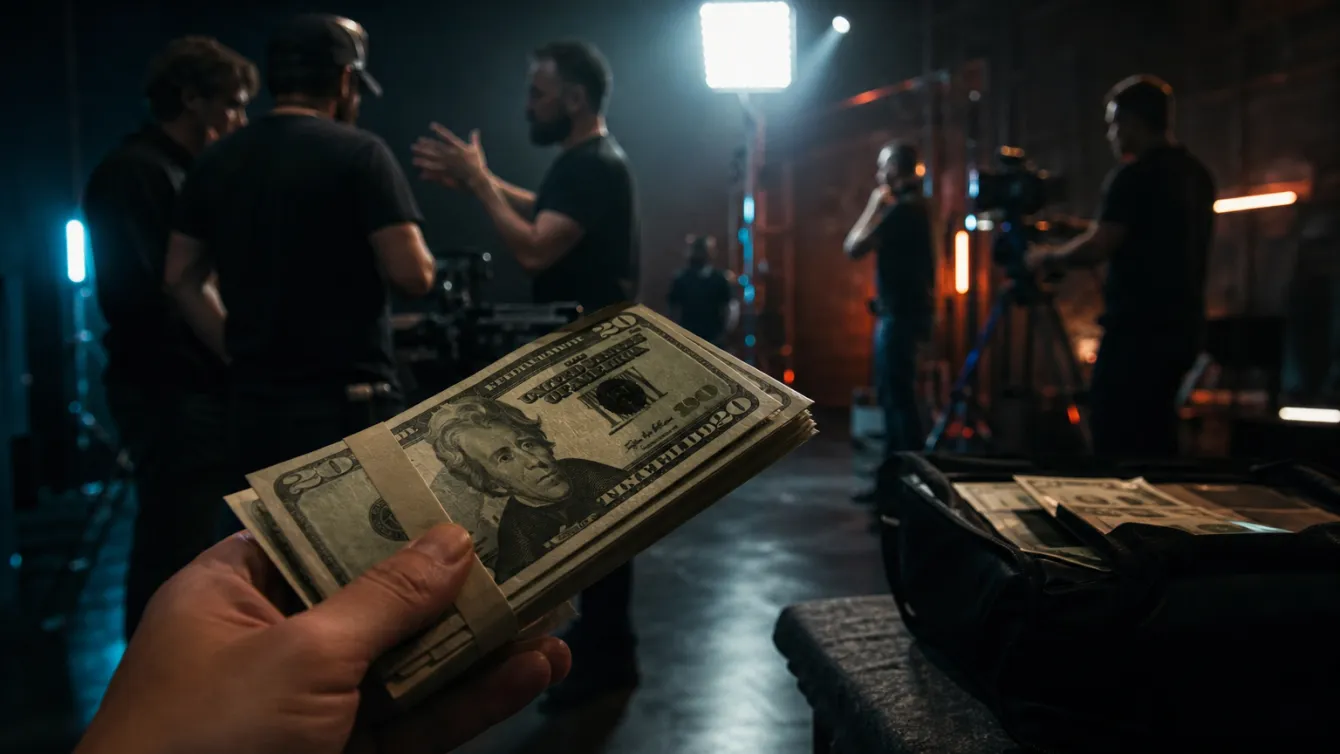
| Banknotes can be replicas | 'For Motion Picture Use Only' indicates counterfeit | Examine for proper features | Look for security threads |
| Counterfeiting offenses are increasing | Decreased by 71% since FY2019 | Monitor reported cases | 64,124 cases in FY23 |
Understanding Counterfeit Money
Counterfeit money refers to imitation currency produced without the legal sanction of the government, making it illegal to use as a medium of exchange. The implications of using counterfeit money are severe, as it constitutes fraud and can lead to criminal prosecution, with offenders facing significant legal repercussions1. It is crucial to distinguish between legal tender, which is currency recognized by the government for transactions, and counterfeit notes, which lack this legitimacy and can undermine the economy.
The prevalence of counterfeit money varies by region and currency. In 2023, approximately 467,000 counterfeit euro banknotes were removed from circulation, equating to just 16 counterfeits per million genuine euro notes. This statistic marks one of the lowest proportions since the euro's inception1. Conversely, the upper estimate for counterfeit U.S. currency in circulation is around $30 million, which translates to roughly 1 in every 40,000 notes being counterfeit2. Such figures illustrate that while counterfeiting remains a concern, the actual incidence is relatively low compared to the volume of genuine currency in circulation.
Counterfeiting offenses have seen a significant decline, with a reported decrease of 71% since fiscal year 2019, culminating in 64,124 cases in fiscal year 2023, of which only 67 involved counterfeiting3. This trend indicates improved detection methods and enforcement measures. Financial institutions and businesses are increasingly adopting advanced anti-counterfeiting technologies, such as the QUANTUM™ stripe, which utilizes nanotechnology for enhanced security4. Understanding these dynamics is essential for individuals and businesses to effectively identify counterfeit currency and protect themselves from fraud.
Common Myths About Undetectable Counterfeit Money
A prevalent myth is that all counterfeit money is undetectable. In reality, every counterfeit note can be identified through specific security features. For instance, genuine currency often includes watermarks and security threads that are difficult to replicate accurately. Using these features, individuals can effectively spot counterfeits. For example, if a $20 bill lacks a visible watermark or security thread, it is likely fake.
Another common misconception is that counterfeit currency cannot be differentiated from genuine notes. While some counterfeit bills appear realistic, they often fail to replicate certain intricate details. The U.S. dollar, for example, has complex patterns and microprinting that are challenging to reproduce without advanced technology. When examining a banknote, look for these unique attributes. If the texture feels off or if the ink appears smudged, further investigation is warranted.
Detection pens, often considered reliable, can lead to false positives. These pens may indicate that a banknote is genuine when it is not, as they primarily test the paper's composition. It is advisable to rely on comprehensive detection methods that include checking for watermarks, security threads, and using advanced detection devices. For instance, the first CDI2 compliant banknote detectors, developed by Authentix, offer unprecedented accuracy in detecting counterfeit notes5.
Lastly, some believe that banknotes labeled "For Motion Picture Use Only" are acceptable for transactions. This is not true; such notes are explicitly marked to indicate they are not legal tender and are thus considered counterfeit6. Understanding these myths and the realities of counterfeit currency is crucial for individuals seeking to protect themselves from fraud.
Realistic Fake Money: What to Look For
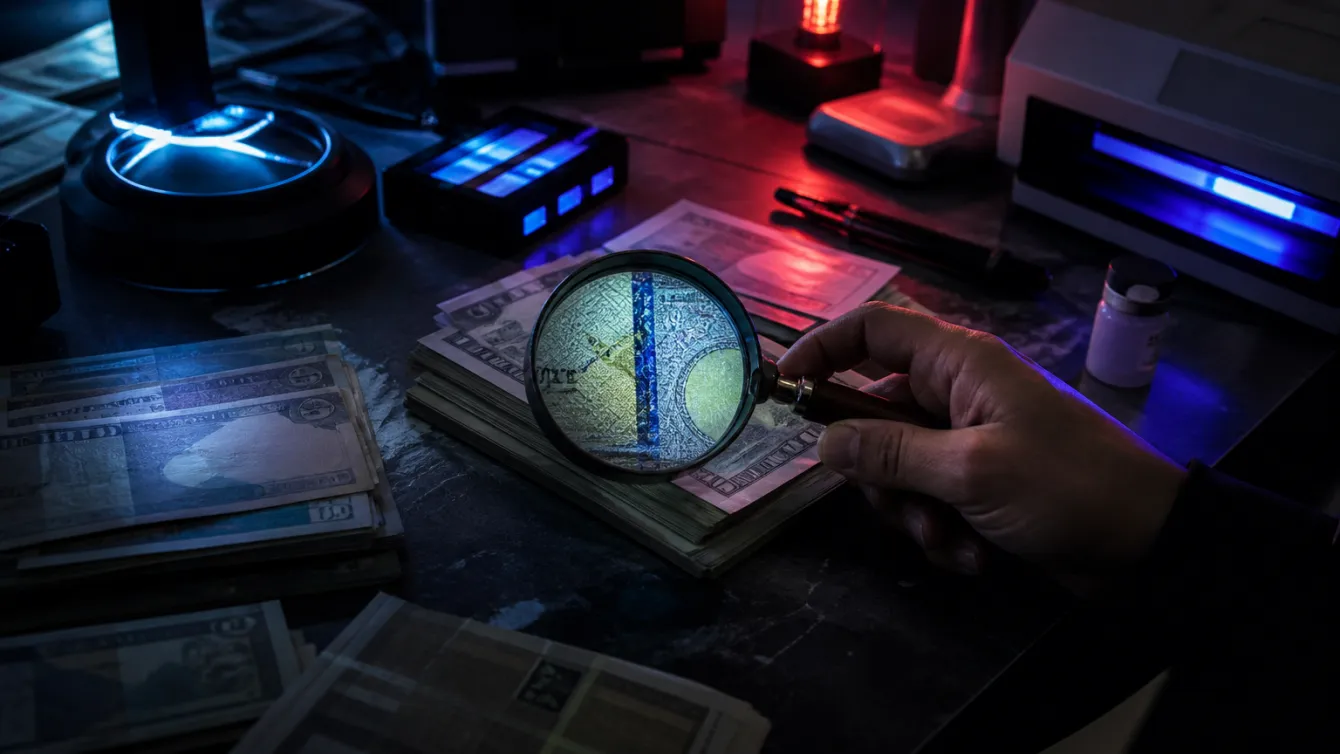
When assessing the authenticity of currency, recognizing the features of realistic fake money is essential. Counterfeiters often employ sophisticated techniques to replicate genuine banknotes, making detection challenging. Key indicators include security features such as watermarks, security threads, and microprinting. Genuine currency typically features a watermark that is visible when held up to the light, while a security thread is embedded within the paper, often with specific text or patterns that can be seen when illuminated.
Counterfeiters often attempt to replicate these features but usually fall short in detail. For example, the U.S. dollar includes intricate designs and a variety of colors that can be difficult to reproduce accurately. If a banknote has a smooth texture or lacks the expected details, it may be counterfeit. Genuine notes display a distinct feel due to the unique blend of cotton and linen used in their production.
In 2023, the European Central Bank announced plans to redesign euro banknotes to enhance security features further, indicating that counterfeiting methods are continually evolving7. This highlights the importance of staying informed about the latest security measures. For instance, the QUANTUM™ stripe, introduced in September 2023, utilizes nanotechnology to improve counterfeit protection4. Such advancements illustrate the ongoing battle between counterfeiters and anti-counterfeiting measures.
To effectively identify counterfeit currency, individuals should familiarize themselves with the specific security features of the banknotes they encounter. Checking for visible watermarks and security threads, along with using advanced detection devices, can significantly increase the chances of distinguishing genuine notes from fakes. For instance, while counterfeit detection pens may provide quick results, they are not foolproof and can yield false positives, making it essential to rely on more comprehensive verification methods8.
In summary, recognizing realistic fake money requires an understanding of the security features embedded in genuine currency. By being vigilant and informed, individuals can better protect themselves against the risks associated with counterfeit money.
How Counterfeit Money Is Made
Counterfeit money is produced using various techniques that can range from basic methods to highly sophisticated printing processes. The primary techniques include digital printing, offset printing, and sometimes even traditional engraving methods. Digital printers can create realistic fake money, especially when paired with high-quality paper that mimics the texture of genuine currency. Counterfeiters often exploit advancements in technology to replicate the intricate details of banknotes, including security features like watermarks and security threads, although these attempts frequently fall short in accuracy.
In the United States, the legal consequences for counterfeiting are severe. Counterfeiting currency is a federal offense that can result in significant fines and imprisonment. For instance, offenders may face up to 20 years in prison for producing or distributing counterfeit money1. Law enforcement agencies actively pursue counterfeiting cases, and the number of reported offenses has notably decreased in recent years, with only 67 out of 64,124 cases in fiscal year 2023 involving counterfeiting3. This decline indicates improved detection methods and enforcement, as well as heightened public awareness of counterfeiting risks.
Notable cases of counterfeiting demonstrate the lengths to which individuals will go to produce fake currency. One infamous case involved the production of "superdollars," which are counterfeit U.S. bills that are nearly indistinguishable from genuine currency. These superdollars have been linked to international crime syndicates and have raised concerns about the integrity of the U.S. dollar globally. In 2023, approximately $30 million in counterfeit U.S. currency was estimated to be in circulation, which translates to about 1 in every 40,000 notes being counterfeit2. This statistic highlights the ongoing challenge law enforcement faces in combating counterfeiting.
To counteract these efforts, financial institutions and governments invest in anti-counterfeiting measures, such as redesigning banknotes and incorporating advanced security features. For example, the European Central Bank plans to redesign euro banknotes by 2024 to enhance security against counterfeiting7. Understanding how counterfeit money is made and the legal implications associated with its production is crucial for both individuals and businesses to protect themselves from fraud.
Detecting Counterfeit Money: Tips and Techniques
Identifying counterfeit money requires familiarity with specific security features present in genuine currency. Individuals and businesses can employ several practical techniques to detect counterfeit notes effectively.
A primary security feature to check is the watermark. Genuine banknotes typically include a watermark that is visible when held up to the light. For instance, U.S. currency features a portrait watermark that matches the image on the bill. If a note lacks this watermark or if it appears blurry, it is likely counterfeit. Additionally, look for the security thread, which is embedded within the paper. This thread often has specific text or patterns that can be seen when illuminated.
Another important aspect is microprinting. Genuine banknotes often contain tiny text that is difficult to replicate. For example, the U.S. dollar includes microprinted details that are only visible under magnification. If the text appears smudged or absent, further scrutiny is warranted.
While counterfeit detection pens are commonly used, they are not always reliable. These pens can yield false results, leading individuals to mistakenly identify a counterfeit note as genuine8. Instead, relying on comprehensive detection methods, including checking for watermarks, security threads, and microprinting, is more effective.
Advanced technology also plays a crucial role in counterfeit detection. Devices such as the CDI2 compliant banknote detectors offer enhanced accuracy and speed for identifying counterfeit notes5. These devices utilize advanced algorithms to analyze specific characteristics of banknotes, significantly reducing the risk of error.
It is also essential to be aware of certain indicators that mark a note as counterfeit. If a banknote has the phrase "For Motion Picture Use Only" or the word "Replica," it is not legal tender and should be treated as counterfeit6.
Staying informed about the latest security features and detection technologies is vital for effectively identifying counterfeit money. Regular training and updates can help both individuals and businesses maintain vigilance against counterfeit threats.
What to Do If You Receive Counterfeit Money
If you suspect you have received counterfeit money, it is vital to act promptly and carefully. First, do not attempt to spend or use the counterfeit note. Using counterfeit money is a criminal offense and may lead to prosecution1. Instead, handle the situation by following these steps:
Examine the Bill: Before taking further action, closely examine the note for security features like watermarks and security threads. If these features are missing or appear suspicious, the bill is likely counterfeit.
Do Not Confront the Suspect: If you received the counterfeit note from someone, do not confront them. Instead, discreetly gather as much information as possible about the transaction, including the location and time, without alarming the individual.
Report to Authorities: Notify local law enforcement or the U.S. Secret Service if you are in the United States. In 2023, law enforcement reported 64,124 counterfeiting cases, highlighting the importance of reporting such incidents3. Provide them with the counterfeit note and any relevant details about how you acquired it.
Document Everything: Keep a record of the circumstances surrounding the receipt of the counterfeit money. This includes receipts, witness statements, and any other pertinent information. This documentation can be helpful for law enforcement investigations.
Do Not Keep the Counterfeit Note: Authorities recommend turning over the counterfeit bill to law enforcement. Keeping it can lead to legal complications, as possession of counterfeit money can be interpreted as intent to use it illegally.
Educate Yourself and Others: Increase your knowledge about currency security features to better identify counterfeit notes in the future. Resources are available, such as guides on spotting fake currency9.
Understanding the legal implications of receiving counterfeit money is crucial. Counterfeit currency is a federal crime, and those caught with counterfeit notes can face severe penalties, including imprisonment of up to 20 years for serious offenses1. By taking appropriate steps and reporting the incident, individuals can help combat counterfeiting and protect themselves from future fraud.
The Future of Counterfeit Detection Technology
Advancements in technology are continually transforming the landscape of counterfeit detection. As counterfeiting methods become more sophisticated, so too do the tools designed to identify fake currency. The introduction of new detection devices and techniques is essential for staying ahead of counterfeiters.
One notable advancement is the development of CDI2 compliant banknote detectors, which offer unprecedented accuracy and speed in identifying counterfeit notes. These detectors utilize advanced algorithms to analyze various characteristics of banknotes, significantly reducing the risk of error in detection5. Such technologies are pivotal in environments like banks and retail businesses where the volume of transactions is high.
In addition to advanced detectors, innovative security features are being integrated into banknotes themselves. For example, the QUANTUM™ stripe, launched in September 2023, employs nanotechnology to enhance counterfeit protection4. This cutting-edge feature allows for dynamic visual effects that are challenging for counterfeiters to replicate, thereby increasing the security of currency.
The European Central Bank's initiative to redesign euro banknotes by 2024 further illustrates the commitment to enhancing security features against counterfeiting7. By incorporating new design elements and materials, these redesigned banknotes aim to stay ahead of evolving counterfeiting techniques, ensuring that genuine currency remains distinguishable from fakes.
Emerging tools, such as mobile apps that utilize optical recognition technology, are also becoming popular. These apps can analyze images of banknotes and compare them against databases of known counterfeit features. While these tools are not yet widely adopted, they offer a promising avenue for enhancing public awareness and education on counterfeit detection.
As counterfeit detection technology continues to evolve, individuals and businesses must remain vigilant. Familiarizing oneself with the latest advancements and security features can significantly aid in recognizing counterfeit money. Staying informed about the tools available for detection is crucial for maintaining security in financial transactions.
Counterfeit Money FAQs
Counterfeit money raises several common questions, particularly regarding detection and legal implications.
Can fake money be detected?
Yes, counterfeit money can often be detected through various methods. Individuals can check for specific security features, such as watermarks and security threads, which are present in genuine currency. For example, U.S. dollar bills have a watermark that matches the image on the bill and a security thread that is visible when held to the light. While detection pens are commonly used, they are not always reliable and can yield false results8. Advanced detection technologies, like CDI2 compliant banknote detectors, provide increased accuracy and speed in identifying counterfeit bills5.
What happens if I accidentally spend counterfeit money?
Using counterfeit money, even unknowingly, can have serious legal consequences. It is considered a federal offense in the United States, and individuals may face prosecution if caught1. If someone receives counterfeit currency, they should not attempt to use it. Instead, they should document the details of the transaction and report it to local authorities or the U.S. Secret Service. In 2023, there were 64,124 reported counterfeiting cases, emphasizing the importance of reporting such incidents3.
How prevalent is counterfeit money?
Counterfeit money is relatively rare compared to genuine currency. For instance, in 2023, there were 467,000 counterfeit euro banknotes withdrawn from circulation, which represents only 16 counterfeits per million genuine banknotes, one of the lowest proportions since the euro's introduction1. In the U.S., the upper bound estimate for counterfeit currency in circulation is about $30 million, or approximately 1 in 40,000 notes2. This highlights the effectiveness of current anti-counterfeiting measures.
What should I do if I receive counterfeit money?
If you suspect that you have received counterfeit money, do not attempt to spend it. Examine the bill for security features, document the circumstances of the transaction, and report it to the authorities. Keeping a record of the details can aid law enforcement in their investigations. It is crucial to turn over any suspected counterfeit bills to the authorities to avoid potential legal complications. Understanding the security features of currency and staying informed about current detection methods can help prevent future incidents.
Common Mistakes and Misconceptions
Counterfeit Money is Always Easy to Spot
Many individuals believe that counterfeit money is easily recognizable due to obvious flaws. However, advancements in counterfeiting techniques have made it increasingly difficult to distinguish fake notes from genuine ones. In 2023, the rate of counterfeit euro banknotes was only 16 per million genuine notes, indicating that counterfeiters are becoming more skilled at replicating security features1. Relying solely on visual inspection can lead to missed counterfeit notes.
Using Detection Pens is Foolproof
There is a common misconception that counterfeit detection pens provide reliable verification of currency authenticity. In reality, these pens can yield false results, sometimes indicating that a genuine note is counterfeit8. Instead of relying on detection pens alone, individuals should familiarize themselves with multiple security features such as watermarks and security threads to ensure accurate identification.
All Counterfeit Notes Lack Security Features
Some people mistakenly believe that any counterfeit note will lack security features entirely. While many counterfeit notes do not replicate advanced features, some may successfully imitate basic security elements. For example, the upper bound estimate for counterfeit U.S. currency in circulation is about $30 million, or approximately 1 in 40,000 notes2. This highlights the importance of thorough examination and knowledge of the specific security features present in genuine currency.
Handling Counterfeit Money is a Minor Offense
It is often thought that receiving or using counterfeit money carries little risk. However, using counterfeit currency is a criminal offense that can lead to severe legal consequences, including prosecution1. Individuals should be aware of the serious implications of handling counterfeit notes and take proactive steps to report any incidents to authorities.
Technological Advances in Detection are Overrated
Some individuals underestimate the impact of technological advancements in counterfeit detection. However, devices like CDI2 compliant banknote detectors are proving to be highly effective, providing unprecedented accuracy and speed5. Staying informed about these advancements can significantly enhance one’s ability to detect counterfeit currency and protect against fraud.
Conclusions
Counterfeit money is often difficult to detect due to sophisticated replication techniques.
Familiarity with security features, such as watermarks and security threads, is essential for identifying counterfeit notes.
Reporting counterfeit incidents to authorities is crucial to combat counterfeiting effectively.
Detection tools, including advanced banknote detectors, enhance the accuracy of counterfeit identification.
Legal consequences for handling counterfeit money can be severe, making education on the topic vital.
To further enhance understanding of counterfeit detection, explore How to Spot a Fake 20 Dollar Bill.
Q&A
Can fake money be detected?
Yes, counterfeit money can often be detected through various methods. Individuals can check for specific security features, such as watermarks and security threads, which are present in genuine currency. For example, U.S. dollar bills have a watermark that matches the image on the bill and a security thread that is visible when held to the light. While detection pens are commonly used, they are not always reliable and can yield false results8. Advanced detection technologies, like CDI2 compliant banknote detectors, provide increased accuracy and speed in identifying counterfeit bills5.
What is the most realistic counterfeit money available?
The most realistic counterfeit money often employs advanced printing techniques and high-quality materials that closely mimic genuine currency. While specific examples vary, counterfeiters have been known to replicate security features such as watermarks and security threads, making it challenging for the average person to detect fakes. In 2023, the rate of counterfeit euro banknotes was only 16 per million genuine notes, indicating that counterfeiters are becoming more skilled at replicating security features1.
What if you use counterfeit money without knowing?
Using counterfeit money, even unknowingly, can have serious legal consequences. It is considered a federal offense in the United States, and individuals may face prosecution if caught1. If someone receives counterfeit currency, they should not attempt to use it. Instead, they should document the details of the transaction and report it to local authorities or the U.S. Secret Service.
Can you get in trouble for unknowingly using counterfeit money?
Yes, individuals can face legal repercussions for unknowingly using counterfeit money. It is classified as a federal crime, and penalties may include fines or imprisonment. The seriousness of the offense underscores the importance of reporting any counterfeit currency received to authorities and not attempting to spend it1.
How can I check if money is real at home?
To check if money is real at home, individuals can examine the bill for specific security features such as watermarks, security threads, and color-shifting ink. Holding the bill up to the light can reveal these features, which are difficult for counterfeiters to replicate. Additionally, using a magnifying glass to inspect the fine print and texture of the bill can help identify genuine currency.
What should I do if I receive counterfeit money?
If you suspect that you have received counterfeit money, do not attempt to spend it. Examine the bill for security features, document the circumstances of the transaction, and report it to the authorities. Keeping a record of the details can aid law enforcement in their investigations. It is crucial to turn over any suspected counterfeit bills to the authorities to avoid potential legal complications.
Is counterfeit money completely undetectable?
Counterfeit money is not completely undetectable, but it can be challenging to identify due to advancements in counterfeiting techniques. Many counterfeit notes successfully replicate basic security features, making them difficult to distinguish from genuine currency. However, the introduction of advanced detection technologies, such as CDI2 compliant banknote detectors, enhances the ability to identify counterfeit bills with greater accuracy5.
Footnotes
- Number of counterfeit euro banknotes remains low in 2023
- Estimating the Volume of Counterfeit U.S. Currency in Circulation
- Quick Facts on Counterfeiting Offenses
- Meta Materials Launches World's First Fully Animated Nano-Optic Banknote Security Product
- Authentix® Completes Development of the Banknote Industry's First CDI2 Compliant Detector
- Cashier Toolkit
- Banknote Identification Through Unique Fluorescent Properties
- How do I determine if a banknote is genuine?
- Counterfeit Detection Guide - RBA Banknotes
Explore More on Counterfeit Detection
Discover additional resources to enhance your knowledge.