Understanding fake dollar bills for educational and practical purposes.
Fake money dollar bills refer to counterfeit currency that mimics real U.S. bills, which include denominations of $1, $2, $5, $10, $20, $50, and $100. It is illegal to create or use counterfeit money under 18 U.S.C. §471, and possession can lead to felony charges. Common types of fake money include:
Realistic prop money for films and theater
Educational play money for teaching purposes
Unauthorized reproductions that violate legal standards
Comparison of Different Types of Fake Money
| Type | Uses | Legality | Purchase Locations |
|---|---|---|---|
| Realistic Prop Money | Films, theater | Legal if sized correctly | Specialty stores, online |
| Educational Play Money | Teaching currency, math | Legal for educational use | Toy stores, online |
| Unauthorized Reproductions | Fraudulent use | Illegal under 18 U.S.C. §471 | Not applicable |
| Custom Fake Money | Personal use, risky | Illegal to use as real currency | Not applicable |
What Are Fake Money Dollar Bills?
Fake money dollar bills encompass a range of items that imitate real U.S. currency, including denominations like $1, $5, $10, $20, $50, and $100. Their primary purposes include serving as educational tools, theatrical props, or novelty items. However, it's crucial to distinguish between legal uses and illegal activities related to counterfeit currency.
Counterfeit currency refers specifically to fake money that is intended to deceive others into accepting it as genuine. Under 18 U.S.C. §471, producing or using counterfeit money is a federal crime, carrying severe penalties, including felony charges and potential imprisonment. In contrast, legal prop money, often used in films or educational settings, must adhere to specific guidelines: it should be more than 1½ times the size of real bills or less than ¾ the size to avoid being classified as counterfeit12.
Play money, a common form of fake currency, is primarily designed for educational purposes. It helps teach children about currency, math skills, and financial literacy3. In contrast to counterfeit currency, which has legal implications, play money is safe for use in classrooms and homes. For example, a set of 300 pieces of play money can be used in various educational scenarios, enhancing children's understanding of money management3.
Legal prop money and educational play money are widely available through specialty stores and online platforms. Users should always ensure that the items they purchase comply with legal standards to avoid unintended legal ramifications. Unauthorized reproductions, however, are illegal and can lead to serious consequences if used as real currency45.
Common Uses of Fake Money Dollar Bills
Fake money dollar bills serve various legitimate purposes across different fields, including entertainment, education, and event planning. Their applications range from prop money in films to educational tools in classrooms.
In the film and theater industry, realistic prop money is essential for creating authentic scenes involving cash transactions. For instance, a heist movie may require stacks of fake money to depict the theft of large sums. Legal prop money must adhere to specific size regulations, being either more than 1½ times or less than ¾ the size of real bills to avoid being classified as counterfeit2. This ensures compliance with laws while providing filmmakers the flexibility to create engaging narratives.
Magic shows frequently utilize fake money as well. Magicians employ prop bills during tricks that involve disappearing or transforming money, captivating audiences with illusions of wealth. For example, a magician might use fake dollar bills to create the illusion of pulling endless cash from a seemingly empty box, enhancing the spectacle of the performance.
Educational settings also benefit from fake money, particularly in teaching children about currency and financial literacy. Play money sets, often containing various denominations, can be used in math lessons or role-playing activities to help students understand the value of money and basic arithmetic. A set of 300 pieces can facilitate numerous educational scenarios, making learning interactive and fun3.
Events and parties often incorporate fake money as decorations or novelty items. For example, a casino-themed party might use prop money to enhance the atmosphere, allowing guests to engage in games without the legal implications of using real currency. However, it is crucial to ensure that such items are clearly identifiable as fake to avoid confusion and legal issues6.
When using fake money, individuals must be aware of the legal implications. Creating or using counterfeit currency can lead to severe penalties, including felony charges1. Therefore, understanding the difference between legal prop money and illegal counterfeit currency is essential for safe and compliant use.
How to Identify Fake Money Dollar Bills
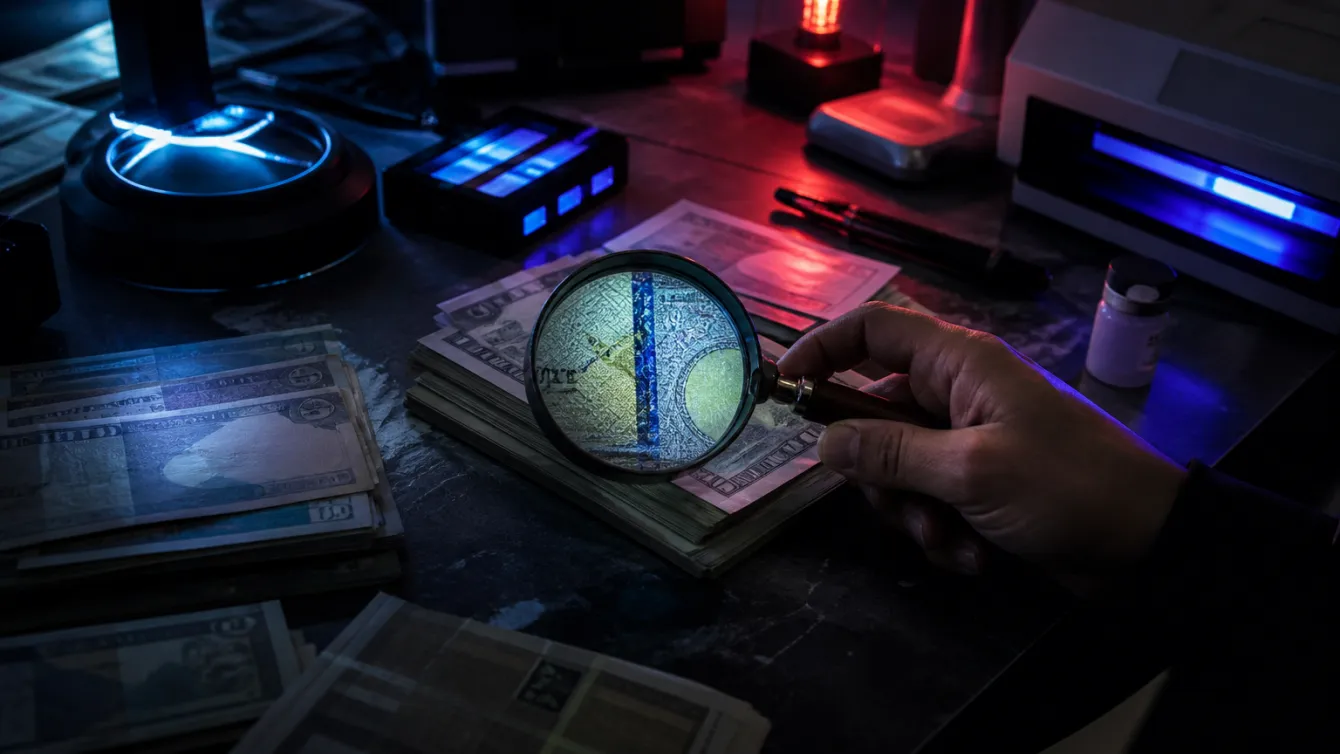
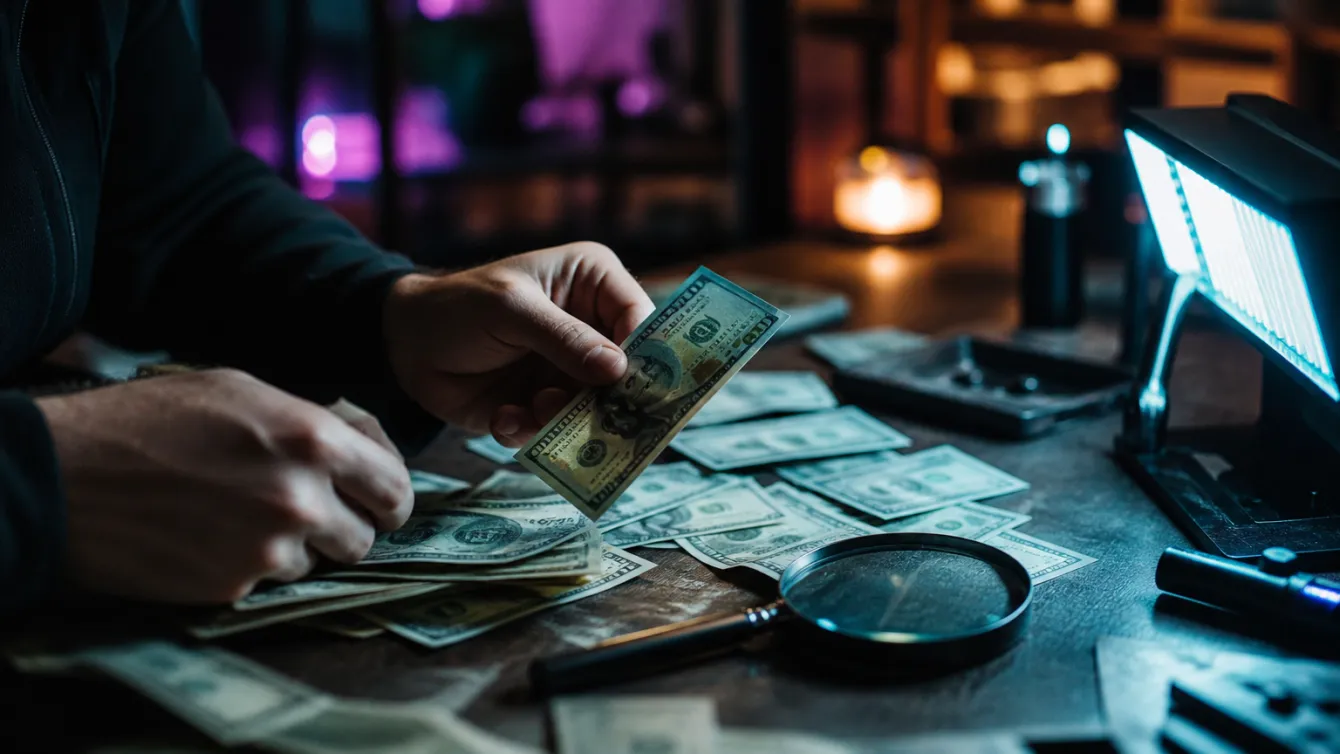
Identifying fake money dollar bills requires attention to specific features that distinguish real currency from counterfeit. The U.S. currency system incorporates several security features designed to protect against forgery. These features include a security thread, color-shifting ink, microprinting, and a watermark. For instance, when authenticating a bill, one should tilt it to observe how the color-shifting ink changes from green to gold, which is present in denominations over $1078.
The texture of the paper is another critical factor. Real U.S. bills are printed on a unique blend of cotton and linen, giving them a distinct feel that is difficult to replicate. Counterfeit bills often have a smoother texture and lack the same tactile quality. When examining a bill, one should also check for embedded security features like the security thread, which is visible when held up to the light, and the watermark, which should match the portrait on the bill78.
Additionally, the serial numbers on real currency are evenly spaced and printed in a specific font. If the serial numbers appear blurry or misaligned, the bill may be counterfeit. A practical approach for individuals is to utilize the "feel, tilt, and look" method, which involves feeling the bill's texture, tilting it to see the color shift, and looking for security features78.
In summary, to effectively identify fake money dollar bills, individuals should familiarize themselves with these security features and remain vigilant when handling currency. Recognizing these elements not only helps in distinguishing between real and counterfeit bills but also aids in preventing legal issues associated with the possession of fake currency.
Legal Implications of Using Fake Money
The production and use of fake money carry significant legal implications. Under 18 U.S.C. §471, it is illegal to create, forge, or counterfeit any coin or obligation of the United States, with penalties that can include severe fines and imprisonment. Violating this law can result in felony charges, which vary in severity depending on state and federal laws14.
Legal distinctions exist between different types of fake money. For instance, prop money used in films or educational settings is legal, provided it adheres to specific guidelines. This includes being more than 1½ times the size of real bills or less than ¾ the size to avoid classification as counterfeit2. In contrast, unauthorized reproductions intended to deceive others into accepting them as genuine are illegal and can lead to serious legal consequences if used as real currency5.
Possession of counterfeit money is treated as a felony charge, and the penalties can vary significantly based on jurisdiction. For example, some states impose harsher sentences for larger amounts of counterfeit money found in possession, while federal laws may apply in broader contexts4.
Creating DIY fake money can also pose risks. While it may be tempting to craft personal fake currency for pranks or decorations, using it as real currency is illegal and can lead to severe repercussions. It is crucial to ensure that any fake money created or used is clearly identifiable as not being real5.
In educational contexts, fake money serves a legitimate purpose by teaching children about currency and financial literacy3. However, educators and parents should ensure that the materials used comply with legal standards to prevent any unintended legal issues. Overall, understanding the legal landscape surrounding fake money is essential for safe and compliant usage.
Types of Fake Money Available
Different types of fake money serve various purposes, from educational tools to theatrical props. Understanding these categories can help individuals choose the right type of fake currency for their needs while remaining compliant with legal standards.
Realistic prop money is commonly used in films and theater. This type of fake money is designed to closely resemble real currency and is essential for creating authentic cash transaction scenes. For example, a heist film may feature realistic prop money to depict stolen cash. Legal prop money must adhere to specific size regulations: it should be more than 1½ times or less than ¾ the size of real bills to avoid being classified as counterfeit26. These items can often be purchased from specialty stores or online platforms.
Educational play money is another popular type, primarily used in classrooms to teach children about currency, math skills, and financial literacy. This fake money typically comes in sets, such as a 300-piece collection that includes various denominations, allowing for interactive learning experiences3. Educational play money is readily available at toy stores and online, making it accessible for parents and educators.
Novelty items, such as prank money, are designed for entertainment purposes. These items often feature humorous or exaggerated designs and are used in parties or events to create a fun atmosphere. For example, prank money might be used at a casino-themed party to enhance the decor without the legal implications of real currency. While novelty items can be entertaining, it is important to ensure they are clearly marked as fake to avoid any confusion6.
Creating DIY fake money can be tempting for personal use or pranks. However, it is crucial to understand the legal implications of using homemade currency. Using DIY fake money as real currency is illegal and can lead to serious legal consequences5.
In summary, when selecting fake money, individuals should consider the intended use and ensure compliance with legal standards. Whether for educational purposes, theatrical productions, or novelty items, understanding the types of fake money available can help avoid potential legal issues.
Creating Your Own Fake Money: Pros and Cons
Creating DIY fake money can be an appealing project for various reasons, from educational purposes to event decorations. However, it comes with distinct benefits and risks that individuals should consider before proceeding.
One major advantage of making your own fake money is the opportunity for creativity and customization. Individuals can design bills that fit specific themes or events, such as casino nights or birthday parties. For instance, using colorful paper and unique designs can enhance the atmosphere at a themed gathering, making it more engaging for guests. Additionally, DIY fake money can serve as an educational tool, helping children learn about currency and financial concepts in a fun way3.
Despite these benefits, significant legal risks accompany the creation of DIY fake money. Under U.S. law, specifically 18 U.S.C. §471, it is illegal to create or use counterfeit currency, and violations can result in severe penalties, including felony charges14. Even if the intent is harmless, using homemade currency as real money can lead to serious legal repercussions. Legal prop money must adhere to strict guidelines; for example, it should be more than 1½ times or less than ¾ the size of actual bills to avoid being classified as counterfeit2.
When considering DIY fake money, it is essential to ensure that the finished product is clearly identifiable as not being real. Using distinctive colors or markings can help prevent confusion. Engaging in this activity solely for educational purposes or as a novelty item can mitigate some risks, but caution is always advised. In summary, while creating fake money can be a fun and educational endeavor, individuals must navigate the legal landscape carefully to avoid unintended consequences.
Safety Tips When Using Fake Money
Using fake money responsibly is crucial to avoid legal complications and ensure safe handling. The following guidelines can help individuals navigate the use of fake currency effectively.
Understanding the legal implications of fake money is essential. Under 18 U.S.C. §471, it is illegal to create or use counterfeit currency, with severe penalties for violations, including felony charges1. It is critical to distinguish between legal prop money and illegal counterfeit currency. Legal prop money must either be more than 1½ times the size of real bills or less than ¾ the size to avoid being classified as counterfeit2. Always verify that the fake money used complies with these regulations to prevent any legal issues.
When handling fake money, be mindful of the context. For educational purposes, such as teaching children about currency or math skills, ensure the fake money is clearly marked as not real3. In theatrical settings, use realistic prop money that adheres to legal standards6. Avoid using fake money in transactions where it could be mistaken for real currency, as this could lead to serious legal consequences.
Storage of fake money should also be considered. Keep it in a secure location, away from real currency, to prevent accidental usage or confusion. This can include designated folders or containers labeled as "prop money" or "play money." Regularly check the condition of the fake money to ensure it remains intact and recognizable as non-currency.
For those considering creating DIY fake money, it is vital to understand the risks involved. Homemade currency can be mistaken for real money, leading to serious legal repercussions if used improperly5. If creating fake money for pranks or decorations, ensure it is distinctly different from actual currency in color and size to avoid any misunderstandings.
In summary, using fake money requires a clear understanding of legal boundaries, proper handling, and safe storage practices. By adhering to these guidelines, individuals can responsibly enjoy the benefits of fake currency while minimizing legal risks.
Fake Money Dollar Bills in Popular Culture
Fake money has a significant presence in popular culture, often serving as a plot device in films, television shows, and social media. Its depiction frequently revolves around themes of crime, deception, and the allure of easy wealth. Notable examples can be found in films such as "Ocean's Eleven," where counterfeit money plays a crucial role in the heist narrative, showcasing the high stakes involved in the world of crime9. Similarly, television series like "Breaking Bad" have featured counterfeit currency to illustrate the moral dilemmas faced by characters involved in illegal activities.
The portrayal of fake money extends beyond traditional media into social media platforms where users create content that often highlights the absurdity or humor associated with fake currency. For instance, videos showcasing prank money in humorous situations or educational content on how to identify counterfeit bills have gained traction, reflecting the public's fascination with both the risks and the entertainment value of fake money9.
In addition to entertainment, fake money is utilized in educational contexts. Schools and parents often use play money to teach children about currency, financial literacy, and math skills. This approach helps children understand the value of money in a tangible way, making learning interactive and engaging3.
Legal implications of using fake money in these contexts are crucial to consider. The creation and use of prop money must comply with specific regulations to avoid being classified as counterfeit. For instance, legal prop money must be either more than 1½ times or less than ¾ the size of actual bills to ensure compliance with currency laws2. Failure to adhere to these guidelines can lead to severe legal consequences, including felony charges14.
As fake money continues to be a popular subject in various forms of media, its representation often serves as a reflection of societal attitudes towards wealth, crime, and the complexities of financial literacy. Understanding the cultural significance and legal boundaries surrounding fake money can enhance one's appreciation of its portrayal in popular culture.
Innovative Uses for Fake Money in Education
Fake money serves as an effective educational tool, especially in teaching financial literacy to students. Educators often incorporate play money into lesson plans to create interactive learning experiences that engage students in understanding currency, basic math skills, and the principles of financial transactions. For instance, a classroom activity might involve students using fake bills to simulate shopping scenarios where they practice making change and budgeting for purchases.
One lesson plan idea involves setting up a mock store in the classroom. Students can use play money to buy and sell items, reinforcing their understanding of value, pricing, and transactions. This exercise can be enhanced by introducing concepts such as sales tax, discounts, and savings goals. By assigning roles—shopkeepers and customers—students gain practical experience in handling money while developing essential math skills.
Another creative use of fake money is in teaching concepts of saving and spending. Educators can introduce a savings challenge where students earn play money for completing tasks or achieving specific goals. They can then decide how to spend or save their earnings, fostering discussions about financial responsibility and the importance of budgeting. This method not only teaches students how to manage money but also encourages critical thinking about financial decisions.
When implementing these activities, it is crucial to ensure that the fake money used is clearly distinguishable from real currency to avoid any legal implications. The play money should adhere to legal standards, such as being more than 1½ times or less than ¾ the size of actual bills2. Using brightly colored or uniquely designed fake currency can help maintain clarity and compliance while maximizing educational benefits.
In summary, incorporating fake money into educational settings provides a hands-on approach to learning about financial literacy. By utilizing creative lesson plans and interactive activities, educators can effectively teach students valuable skills that will serve them well in their financial futures.
Common Misconceptions and Mistakes
Legal Status of Fake Money
Many individuals believe that using fake money is harmless as long as it is not used for transactions. However, this misconception overlooks the legal implications surrounding counterfeit currency. Under 18 U.S.C. §471, creating or using counterfeit currency is illegal and can result in severe penalties, including felony charges1. Understanding the distinction between legal prop money and illegal fake currency can help individuals avoid unintentional legal issues.
Misuse in Educational Contexts
Some educators may use realistic-looking fake money without considering the legal guidelines. While fake money is an effective tool for teaching financial concepts, it must be clearly marked to avoid confusion with real currency. Legal prop money must adhere to specific size regulations to prevent being classified as counterfeit2. Ensuring that the fake currency used in classrooms is distinguishable from real bills is essential for compliance and safety.
Ignoring Safety Tips
A common mistake is neglecting safety tips when handling fake money. Many assume that as long as they are not using it as real currency, there are no risks involved. However, using fake money in situations where it could be mistaken for real currency can lead to serious legal consequences. It is crucial to store fake money securely and keep it separate from real currency to avoid accidental usage4.
DIY Fake Money Risks
Creating DIY fake money can seem appealing for personal use or pranks, but it is fraught with legal risks. Many individuals underestimate the potential consequences of using homemade currency. Under U.S. law, creating and using fake money as real currency is illegal and can lead to severe penalties5. If engaging in DIY projects, it is critical to ensure that the finished product is clearly marked and compliant with legal standards.
Overlooking Educational Applications
There is a misconception that fake money is only for entertainment or illegal activities. In reality, fake money has valuable applications in educational settings, such as teaching financial literacy and math skills3. Educators can create engaging activities that utilize fake currency to help students understand the value of money. Recognizing these educational benefits can foster a more responsible and constructive approach to using fake money.
Conclusions
Understanding the legal differences between prop money and counterfeit currency is crucial to avoid severe penalties.
Fake money can be a valuable educational tool for teaching financial literacy and math skills to students.
Always ensure that fake money is clearly distinguishable from real currency to prevent legal complications.
Store fake money securely and separate from real currency to avoid accidental usage.
When creating DIY fake money, ensure compliance with legal standards to minimize risks.
For further insights on the use of fake currency, consider exploring What is Fake Prop Money?.
Q&A
How can I tell if a dollar bill is real or fake?
To determine if a dollar bill is real, check for specific security features. Feel the paper, tilt the note to observe color-shifting ink, and look for embedded elements like a security thread and watermark7. These features are designed to enhance the authenticity of U.S. currency.
How much jail time for fake money?
Possession of counterfeit money can lead to felony charges, with potential sentences varying based on state and federal laws4. Under 18 U.S.C. §471, making or using counterfeit currency is illegal and can result in severe penalties, including imprisonment.
Will ATM detect fake money?
Most ATMs are equipped with advanced technology to detect counterfeit bills. They utilize various methods, including ultraviolet light and magnetic ink detection, to identify fake currency before dispensing cash or accepting deposits.
What are the legal consequences of using fake money?
Using fake money can lead to serious legal consequences, including felony charges and imprisonment14. The law strictly prohibits the creation and use of counterfeit currency, with penalties varying based on the severity of the offense.
What types of fake money are available for purchase?
Common types of fake money available include realistic prop money designed for films and theater, which mimics real currency without being classified as counterfeit6. These props are often used in productions and must adhere to specific legal standards.
How can educators use fake money in the classroom?
Educators can use fake money to teach children about currency, financial literacy, and math skills3. Activities such as mock shopping scenarios or savings challenges can engage students and provide practical experience in handling money.
What are the risks of creating your own fake money?
Creating your own fake money can be risky and is illegal if used as real currency5. Homemade currency can lead to serious legal repercussions if mistaken for actual money, making it crucial to ensure clear differentiation from real bills.
Footnotes
- 18 USC Ch. 25: COUNTERFEITING AND FORGERY
- Arrest for movie ‘prop money’ leads to legal challenge | Miami Herald
- 300 Pieces Play Money Prop Set - Fake Bills For Board Games, Math Teaching, Magic Tricks & Costume Parties
- Counterfeit Money
- How to Spot Fake Money
- Realistic Prop Money & Fake Money for Sale | Prop Money Inc.
- Dollars in Detail: Your Guide to U.S. Currency
- How To Check Your Money Training Presentation
- Counterfeit money
Explore More About Currency Education
Discover additional resources on currency and its nuances.