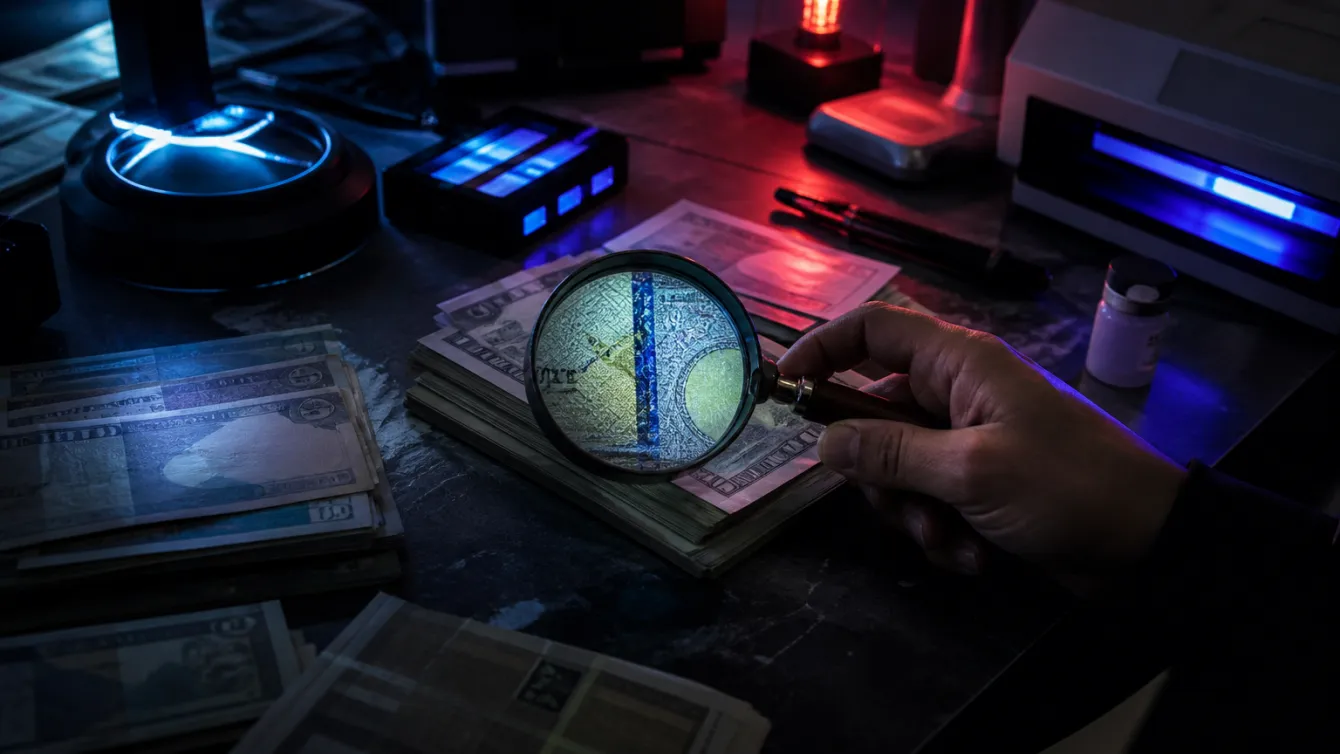
Exploring the intricacies of using prop money in productions.
Prop money is a product created for film and theatrical productions to represent authentic currency. It must be marked with phrases like "Motion Picture Use Only" and adhere to federal guidelines, including size restrictions and destruction requirements. Common types include film specific, studio specific, and generic notes.
Prop Money Selection Checklist
| Criteria | Details | Legal Requirements | Types | Common Mistakes |
|---|---|---|---|---|
| Marking | Must say 'Motion Picture Use Only' | [1] | N/A | Failing to mark clearly |
| Size | Less than 3/4 or more than 1.5 times real bills | [2] | Film specific, studio specific, generic | N/A |
| Destruction | Must destroy materials after use | [2] | N/A | Not destroying production materials |
| Usage | Avoid real currency for liability | [1] | N/A | Using real money on set |
| Innovative Uses | Educational tools, novelty currency | [3] | N/A | N/A |
| Quantity | Used in large quantities for scenes | [3] | N/A | N/A |
| Public Safety | Ensure not mistaken for real currency | [4] | N/A | N/A |
What is Prop Money?
Prop money is a specialized product created for film and theatrical productions, designed to mimic real currency without being legal tender. Its primary purpose is to enhance the authenticity of scenes that involve financial transactions. Unlike actual money, prop money is not intended for circulation and is used solely for visual effects in storytelling.
The distinction between prop money and real currency is significant. Prop money must adhere to specific legal guidelines to prevent confusion with legitimate cash. Under the Counterfeit Detection Act of 1992, the use of real currency in film productions is prohibited, and prop money must be clearly marked with phrases like "Motion Picture Use Only" to differentiate it from legal tender1. Additionally, prop bills must be either less than three-quarters or more than one-and-a-half times the size of real bills and can only display one side2. This ensures that prop money is easily identifiable and not mistaken for real currency, especially in public settings4.
Legal considerations surrounding prop money are crucial for filmmakers and content creators. Federal law mandates that all materials used to create prop money must be destroyed after use to comply with regulations2. Common mistakes include failing to mark prop money clearly or neglecting to destroy production materials, which can lead to legal issues2. By understanding these legal requirements, filmmakers can avoid potential liabilities associated with the use of real cash, especially in scenes that involve destruction, such as burning money1.
In summary, prop money serves as a vital tool in production design, enhancing realism while adhering to strict legal guidelines.
Types of Prop Money
Prop money can be categorized into several types, each serving specific production needs and varying in realism. The three primary types are film specific, studio specific, and generic prop house notes5.
Film specific prop money is tailored for individual productions, often designed to match the aesthetic and period of the film. This type of money may feature unique designs or denominations relevant to the storyline, providing a higher level of authenticity. Studio specific prop money is created for use by a particular studio, ensuring consistency across multiple projects. Generic prop house notes are more versatile, designed for broad use in various productions without a specific connection to a particular film or studio.
The materials used to produce prop money significantly impact its realism. Common materials include high-quality paper and plastic composites, which can closely mimic the look and feel of real currency. The weight and texture of the prop money are critical; for instance, heavier paper can enhance the tactile experience, making it feel more authentic to actors handling it. However, regardless of material, all prop money must comply with federal regulations, including size restrictions and destruction requirements2.
Realistic prop money is often printed with detailed graphics and colors that resemble actual currency. It is essential that prop money does not resemble real currency so closely that it could be mistaken for legal tender, which is why it must be marked with phrases like "Motion Picture Use Only"1. This helps differentiate it during filming and protects against legal ramifications.
In contrast, vintage prop money is designed to represent older currency, often featuring historical designs. This type is particularly useful for period pieces or films set in earlier decades, providing authenticity to the production design. Specialty prop money can include novelty items or educational tools, which can be used in creative projects outside of traditional film settings3.
Understanding the various types of prop money and the materials used in their production is crucial for filmmakers, theater producers, and content creators to ensure realism while adhering to legal standards.
Uses of Prop Money in Film and Theater
Prop money plays a crucial role in enhancing the visual storytelling of films, theater productions, and photography. Its primary function is to simulate real currency without the legal implications associated with using actual money. The application of prop money varies across different media, each requiring specific considerations to ensure compliance with legal standards and production needs.
In film, prop money is often utilized in scenes involving financial transactions, heists, or any scenario where cash is present. Notable examples include movies like "The Dark Knight," where large quantities of prop money were used to depict bank heists convincingly. Productions typically use prop money in substantial amounts to avoid the risks associated with handling real cash, which can include legal liabilities, particularly in scenes involving destruction, such as burning money13.
Theater productions also benefit from the use of prop money. In live performances, having realistic prop money helps actors convey authenticity during scenes that require financial exchanges. For instance, in a play set in a historical context, vintage prop money can enhance the production's overall aesthetic, allowing the audience to immerse themselves in the storyline.
Photography is another area where prop money finds its application. It can be used in commercial shoots, advertising campaigns, or artistic projects to create a specific visual narrative without the complications of using real currency. For example, prop money can be integrated into a photoshoot for a financial institution to convey themes of wealth and success.
Legal compliance is paramount when using prop money. Under the Counterfeit Detection Act of 1992, filmmakers must adhere to guidelines, ensuring that prop money is marked with phrases like "Motion Picture Use Only" and that it meets size restrictions1. Moreover, all materials used to create prop money must be destroyed after use to comply with federal law2. Common mistakes, such as failing to mark prop money clearly or not destroying production materials, can lead to significant legal issues2.
Overall, prop money serves as an essential tool in various media, contributing to the realism of scenes while adhering to strict legal guidelines. Understanding its applications and legal requirements is crucial for filmmakers, theater producers, and photographers to effectively utilize prop money in their projects.
How to Choose the Right Prop Money
Selecting the appropriate prop money involves several factors, including realism, budget, and the type of project. Understanding these elements can help filmmakers, theater producers, and content creators make informed decisions that enhance the authenticity of their productions.
Realism is often the top priority when choosing prop money. The design, texture, and weight should closely mimic real currency to provide a convincing effect on screen or stage. For instance, high-quality prop money printed on heavy paper can create a more authentic feel, which is essential in scenes requiring actors to handle cash. However, it's crucial that this prop money complies with legal requirements, such as being marked with "Motion Picture Use Only" and adhering to size restrictions12.
Budget considerations also play a significant role in the selection process. Prop money can vary widely in cost, depending on factors like the level of realism and the quantity needed. Purchasing generic prop house notes may be more economical for larger productions, while film-specific prop money designed for unique aesthetics might warrant a higher price tag. It's essential to balance the budget with the need for authenticity, especially in high-stakes scenes that rely heavily on visual impact.
The type of project influences the choice of prop money as well. For instance, vintage prop money may be necessary for period pieces, while generic notes could suffice for contemporary settings. Understanding the specific requirements of the production can guide the selection process. Filmmakers should consider whether the prop money needs to be seen up close or from a distance, as this can affect the level of detail required in the design3.
To ensure the best outcome, filmmakers should follow these tips:
Assess the Project Needs: Determine how much prop money is required and the context in which it will be used.
Prioritize Legal Compliance: Always choose prop money that meets federal regulations to avoid legal issues12.
Test for Realism: If possible, acquire samples to evaluate how the prop money looks and feels in the production environment.
Plan for Destruction: Have a plan in place for the destruction of any materials used to create prop money after filming, as required by law2.
By considering these factors and following practical tips, content creators can effectively choose the right prop money that enhances their productions while adhering to legal standards.
Where to Buy Prop Money
Purchasing prop money requires careful consideration of quality, legality, and reliability of sources. Reputable online retailers and specialized prop suppliers offer a variety of options tailored for filmmakers and theater producers. Key sources include:
Specialty Prop Shops: These retailers focus on high-quality, realistic prop money designed specifically for film and theater. They often provide detailed descriptions of the materials used and ensure compliance with legal requirements.
Online Marketplaces: Websites like Amazon and eBay feature various sellers offering prop money. Buyers should look for products that clearly state they meet federal regulations and are marked for "Motion Picture Use Only"1.
Film Production Suppliers: Companies that cater to the film industry typically have a range of prop money options, including custom designs for specific productions. This can be especially useful for filmmakers seeking to match the aesthetic of their projects.
Pricing for prop money can vary based on factors such as realism, quantity, and customization. Basic generic prop money can cost around $20 to $50 for a set of bills, while more specialized or vintage options may range from $100 to $300 or more, depending on the design intricacies and production needs. It is essential to balance budget constraints with the need for authenticity, particularly in high-stakes scenes where cash handling is prominent.
Quality considerations should also guide purchasing decisions. Realistic prop money features high-quality printing and materials that closely mimic real currency. It is advisable to read reviews and check ratings for various products to ensure that the selected prop money will meet the expectations of the production. Additionally, filmmakers should confirm that the prop money complies with federal regulations, including size restrictions and destruction mandates2.
In summary, when sourcing prop money, utilize reputable suppliers that offer compliant, high-quality products. Assess the specific needs of the production to ensure that the chosen prop money enhances the overall realism while adhering to legal standards.
Legal Considerations When Using Prop Money
Understanding the legal regulations surrounding the use of prop money is essential for filmmakers, theater producers, and content creators. Prop money is specifically produced for film or theatrical productions to simulate authentic currency, and its usage is governed by strict federal laws to prevent any confusion with legal tender6.
Under the Counterfeit Detection Act of 1992, filmmakers are prohibited from using real currency in their productions. This law mandates that prop money must be clearly marked with phrases such as "Motion Picture Use Only" to distinguish it from actual money1. Additionally, prop money must adhere to specific size requirements: it must be either less than three-quarters or more than one-and-a-half times the size of real bills and can only display one side2.
Compliance with these regulations is critical. All materials used to create prop money must be destroyed after use to meet federal law requirements2. Failing to do so can lead to significant legal issues, including penalties or fines. Common mistakes include not marking prop money clearly or neglecting to destroy production materials, which can attract unwanted attention from law enforcement2.
The use of prop money is often seen in public settings, where the risk of being mistaken for real currency is heightened. It is crucial for filmmakers to ensure that the prop money used in their projects is not misidentified as legal tender, especially during outdoor shoots or in crowded locations4.
In summary, adhering to legal guidelines when using prop money helps avoid complications with law enforcement and ensures a smooth production process. Understanding the regulations surrounding prop money is vital for maintaining authenticity while protecting against legal liabilities.
Common Mistakes to Avoid with Prop Money
Using prop money effectively requires careful attention to detail to avoid common pitfalls that can lead to legal complications or diminished production quality. One prevalent mistake is neglecting to mark prop money clearly. Under federal law, prop money must display phrases such as "Motion Picture Use Only" to differentiate it from real currency1. Failing to do so can result in legal issues, especially if the prop money is mistaken for actual cash during filming or in public settings2.
Another significant error is not adhering to size regulations. Prop money must either be less than three-quarters or more than one-and-a-half times the size of real bills and can only show one side2. Using prop money that does not comply can lead to misunderstandings and potential legal repercussions. It is crucial to verify that the selected prop money meets these size requirements to maintain compliance with the Counterfeit Detection Act of 19921.
Moreover, many productions overlook the requirement to destroy all materials used to create prop money after filming2. This step is essential to comply with federal law and avoid penalties. Without proper destruction, filmmakers risk facing legal scrutiny, which can disrupt the production process and lead to financial liabilities.
Filmmakers should also be cautious about the quantity of prop money used. Utilizing excessive amounts of prop money can create a perception of realism; however, it also raises questions about the legality of its use in certain contexts. For instance, scenes depicting destruction, such as burning money, can be problematic if real currency is involved1. Therefore, using prop money not only mitigates risks but also enhances the overall safety and compliance of the production.
To ensure authenticity and legality when using prop money, consider the following tips:
Always Mark Clearly: Ensure prop money is labeled as "Motion Picture Use Only" to prevent confusion.
Check Size Compliance: Verify that the prop money adheres to legal size restrictions to avoid complications.
Plan for Destruction: Establish a protocol for destroying prop money materials after use to comply with federal regulations.
Evaluate Quantity: Use prop money strategically to enhance realism while avoiding potential legal challenges.
By avoiding these common mistakes and following these tips, filmmakers and content creators can effectively use prop money to enhance their projects while adhering to legal standards.
Innovative Uses for Prop Money Beyond Film
Prop money extends its utility beyond film and theater, finding innovative applications in marketing, events, and even pranks. These creative uses capitalize on the realistic appearance of prop money while ensuring compliance with legal guidelines.
In marketing, businesses have successfully employed prop money in promotional campaigns to attract attention. For example, a restaurant might use realistic prop money as part of a themed event, where guests can participate in games or contests to win prizes in "fake cash." This not only enhances customer engagement but also creates a memorable experience. Events like trade shows can utilize prop money to create visually appealing displays that draw in attendees, making the product offerings more enticing.
Moreover, prop money can serve educational purposes, particularly in teaching budgeting and financial literacy. Schools and community organizations have used realistic prop money to simulate real-life financial scenarios, helping students understand concepts like saving, spending, and managing money. This hands-on approach can significantly enhance learning outcomes, making abstract financial principles more tangible.
Pranks involving prop money have also gained popularity, often used to surprise friends or colleagues. For instance, filling a colleague's office with prop money can create a humorous atmosphere, provided that the context is clear to avoid misunderstandings. However, caution is advised; ensuring that the prop money is clearly marked as non-legal tender is essential to prevent any legal issues, especially in public settings13.
While these creative applications of prop money can enhance various experiences, it is crucial to prioritize compliance with legal standards. For instance, prop money must always be marked appropriately and should not be used in contexts that may lead to confusion with real currency12. Understanding these regulations can help prevent complications while maximizing the potential of prop money in diverse settings.
Common Mistakes and Misconceptions
Neglecting Legal Guidelines for Prop Money Use
Many filmmakers and content creators often underestimate the importance of adhering to legal guidelines when using prop money. The Counterfeit Detection Act of 1992 explicitly prohibits the use of real currency in productions and mandates that prop money be clearly marked as "Motion Picture Use Only"1. Failing to comply with these regulations can lead to serious legal repercussions, including fines and production delays. Understanding and implementing these legal requirements is essential for a smooth production process.
Overlooking Size Compliance
A common misconception is that any replica of currency can be used as prop money, regardless of size. In reality, prop money must be either less than three-quarters or more than one-and-a-half times the size of actual bills and can only display one side2. Ignoring these specifications can result in confusion and legal challenges, especially if the prop money is mistaken for real currency. Filmmakers should always verify that their prop money meets these size requirements to avoid complications.
Failing to Mark Prop Money Clearly
Another frequent error is not marking prop money appropriately. It is crucial for prop money to have clear indications that it is for "Motion Picture Use Only"1. Without this labeling, there is a risk of prop money being confused with genuine currency, particularly in public settings. This oversight can lead to unwanted legal scrutiny and disrupt filming. Ensuring clear markings helps maintain compliance and enhances safety on set.
Ignoring Destruction Requirements
Many productions neglect the requirement to destroy all materials used to create prop money after filming2. This step is vital to comply with federal law and prevent legal issues. Failing to destroy these materials can result in significant penalties and legal complications. Filmmakers should establish a protocol for the proper destruction of prop money materials post-production to mitigate risks.
Underutilizing Innovative Applications
Some creators limit their use of prop money strictly to film and theater, overlooking its potential for innovative applications. Prop money can serve as a valuable educational tool for teaching financial literacy, or be used creatively in marketing campaigns and events3. By exploring these alternative uses, content creators can maximize the benefits of prop money while ensuring compliance with legal standards. Embracing these innovative applications can enhance engagement and provide unique experiences for audiences.
Conclusions
Prop money must be clearly marked as "Motion Picture Use Only" to avoid legal issues.
Adhere to size regulations: prop money should be either less than three-quarters or more than one-and-a-half times the size of real bills.
Establish a protocol for the destruction of prop money materials after use to comply with federal law.
Evaluate the quantity of prop money used to prevent potential legal challenges and maintain realism.
Explore innovative uses for prop money in marketing and education to enhance engagement and compliance.
For further information on prop money regulations, refer to Using Fake Money: Legal Aspects and Risks.
Q&A
Can you legally buy prop money?
Yes, it is legal to buy prop money as long as it complies with federal regulations. Prop money must be marked appropriately and adhere to size restrictions to distinguish it from real currency1.
What is the meaning of prop money?
Prop money refers to currency replicas produced for use in film and theatrical productions, designed to represent authentic money without being mistaken for real currency6.
Is carrying prop money illegal?
Carrying prop money is not illegal if it meets specific legal requirements. It must be clearly marked as 'Motion Picture Use Only' and comply with size regulations to avoid being mistaken for real currency1.
Where can I buy the most realistic prop money?
The most realistic prop money can be purchased from specialized prop money suppliers or online retailers that focus on film and theater production needs. Ensuring that the product meets legal standards is essential when selecting a supplier.
What types of prop money are available?
There are three main types of prop money: film specific, studio specific, and generic prop house notes. Each type serves different production needs and may vary in realism and design5.
How do I choose the right prop money for my project?
Selecting the right prop money involves considering the project's requirements, such as realism, budget, and compliance with legal standards. It's essential to ensure that the chosen prop money is appropriately marked and meets size regulations12.
What are innovative uses for prop money beyond film?
Prop money can be creatively used in marketing campaigns, educational tools for teaching budgeting, and novelty currency for events. These applications leverage the realistic appearance of prop money while ensuring compliance with legal guidelines3.
Footnotes
- U.S. Currency's Starring Role in Film - San Francisco Fed
- Is Motion Picture Money Illegal? Laws and Penalties - LegalClarity
- Fake Money Risks, Laws, and Safe Uses - Premium Bills
- Prop Money Safety Guide: Best Practices for Film and TV Productions
- MOTION PICTURE PROP BANKNOTES (and coins)
- House File 94 - Introduced
Explore More About Prop Money
Discover additional resources and insights to enhance your projects.